01 · The problem
Your studio’s data is unstructured.
Its best judgement was never written down.

We put everything your studio knows in one place, and put it to work.
01 · The problem
Your studio’s data is unstructured.
Its best judgement was never written down.
02 · What we build
DREAMVISION AI Creative Genomes bring it all together in one place.
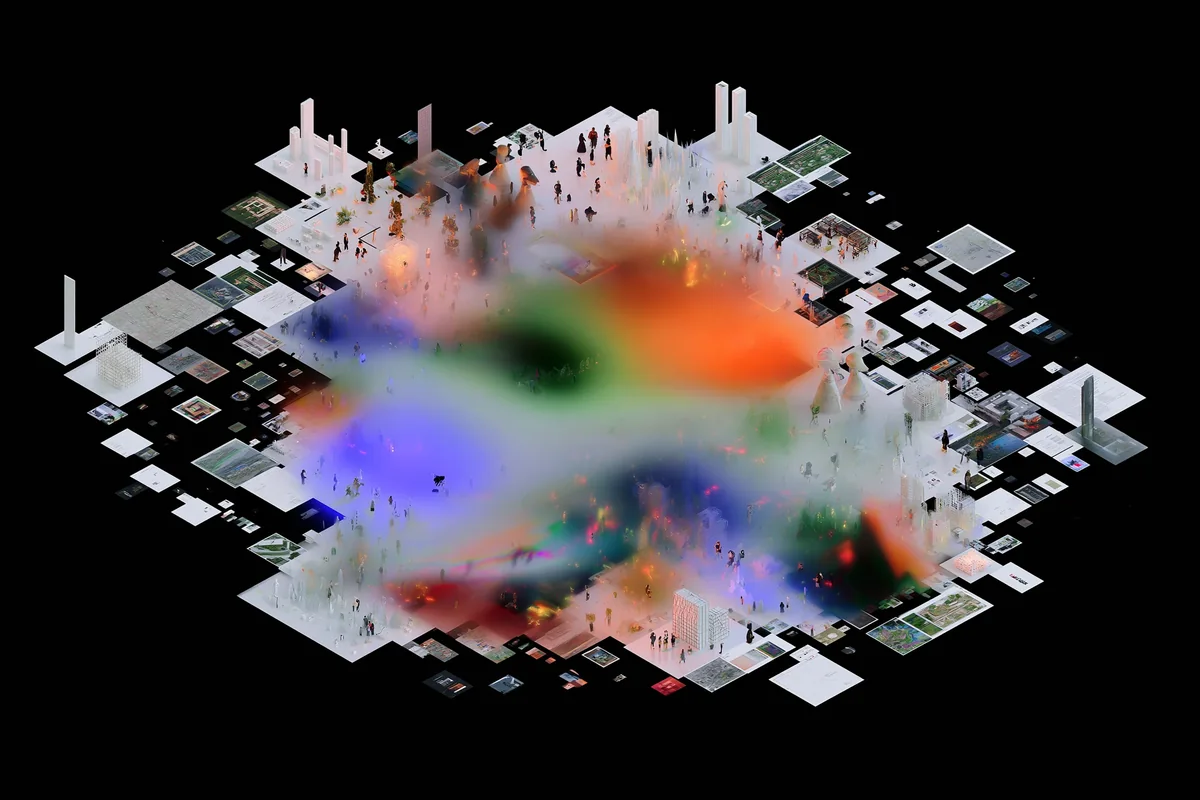
We encode your unstructured data and your team’s tacit judgement into one model of how your studio decides. It runs in our app, and through our API in your own tools.
03 · What you get
You get your House Genome and Lia, our agent engine, in one platform.
Platform
Your teams are adding AI to their tools. None of those tools know how your studio judges. The platform gives them that judgement, and keeps it yours.
Options
Genomes
Built from 146 projects
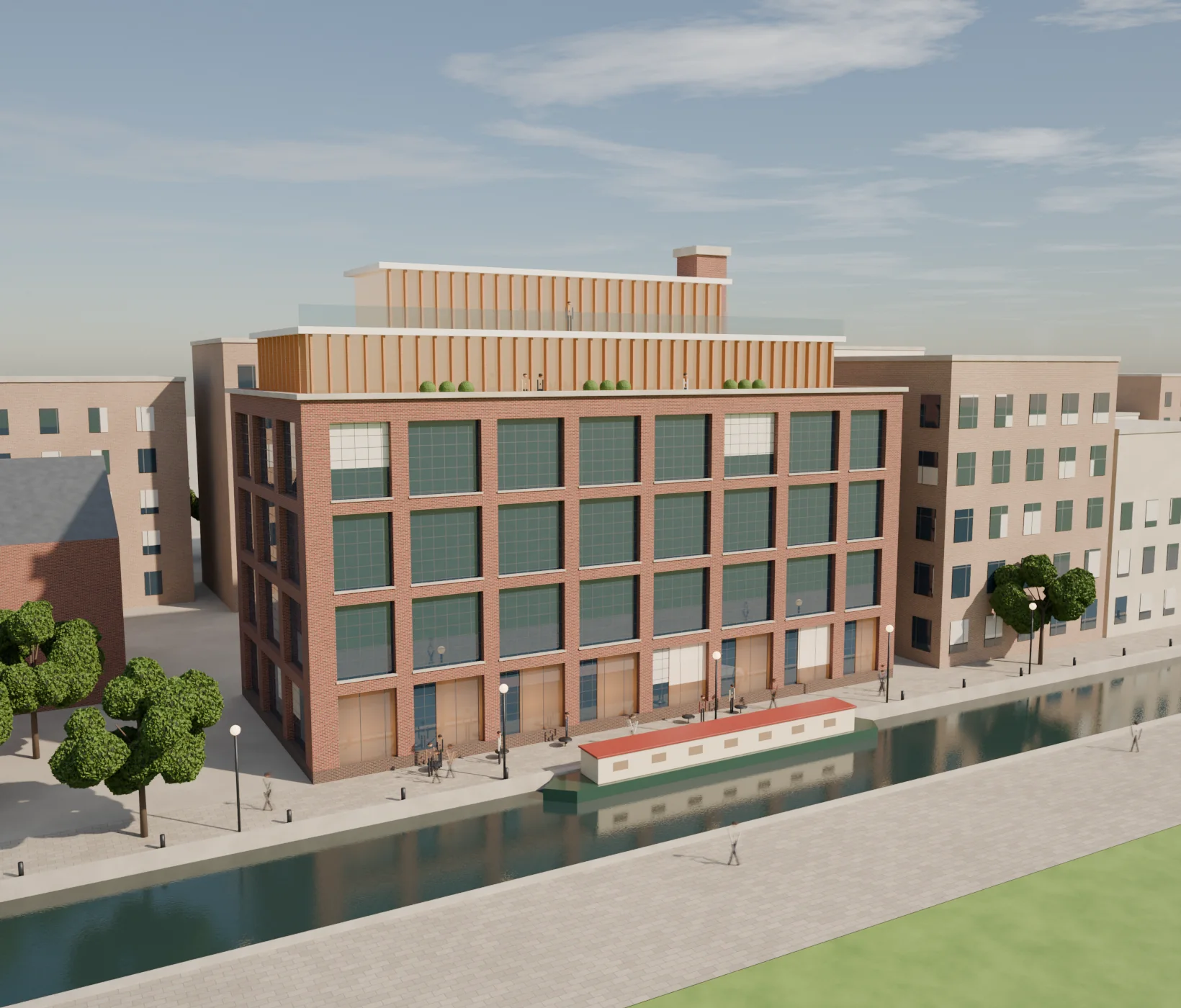
House Genome review
Close to the houseOption A · Stepped roof
As in 9 past refits, the old cornice stays readable.
The house keeps brick corners solid on old buildings.
Your leads disagree. See their views below.
Lead Genomes
Keep the setback. Start the glazing at the third bay.
Zinc. Timber reads too soft against this brick.
Precedents from your archive
Why does the corner drift?
The house protects corners on old buildings: 7 of 9 refits keep them solid. Start the glazing one bay in.
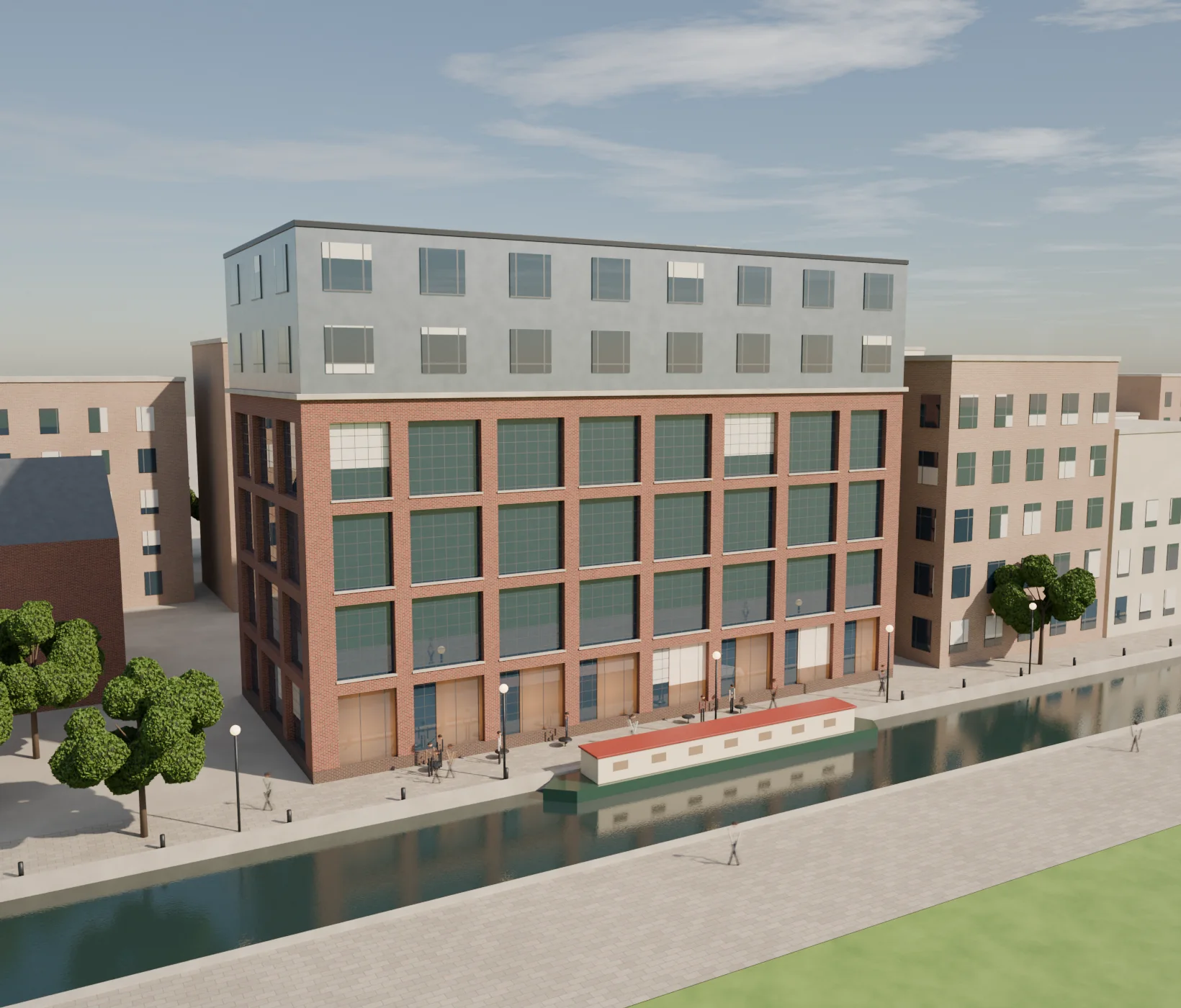
Drifts from the houseOption B · Full-width box
The house almost always steps new floors back from old cornices.
Openings line up with the existing rhythm, as the house draws them.
In past refits the new top stays lighter than the building under it.
Lead Genomes
Step it back by at least one bay.
The rhythm is right. Keep it and lighten the skin.
Precedents from your archive
Can we keep the full width?
Only if the top gets lighter: glass or a thin zinc skin, with a shadow gap above the cornice.
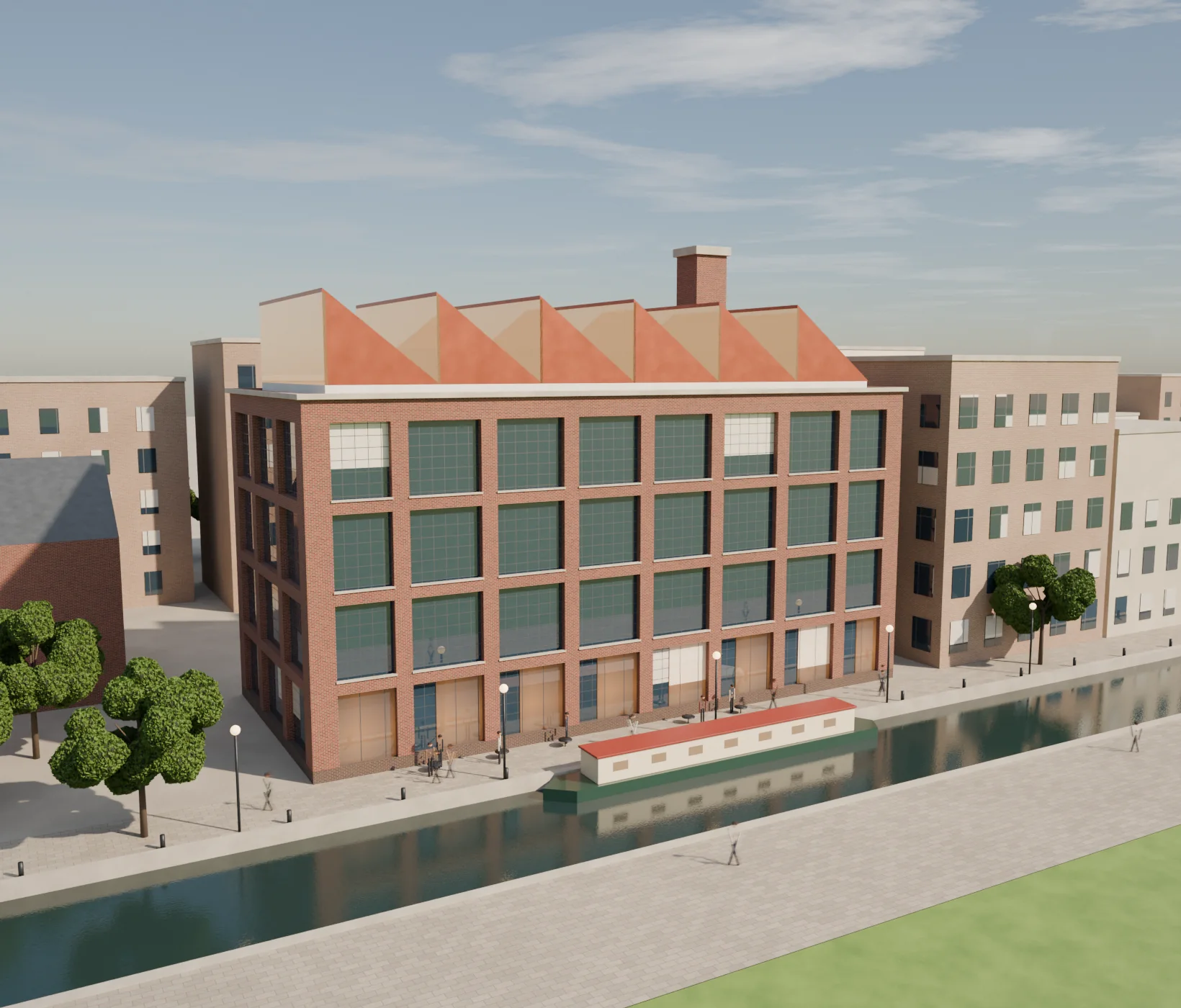
Fits the houseOption C · Sawtooth
The house often draws new work from a building’s own history.
Consistent with how the house plans workspaces.
No close precedent. Worth a partner review.
Lead Genomes
Best of the three. Check the ridge from the towpath.
Agree. Keep the teeth in brick-red zinc.
Precedents from your archive
Which option should we take to the partners?
C. It keeps the cornice and the bay rhythm, and its roof comes from the building’s own history.
Your studio’s judgement, encoded from its projects, drawings and reviews: taste, experience and technical knowledge in one model.
Your senior leads’ eye, one genome each, working inside the house.
Carries out your team’s tasks with the studio’s judgement, from a plain-English question to a weekly report.
The same judgement inside the software your teams already use.
Integrations
The House Genome works through an API, so it can sit behind any step of the work, from the first sketch to the model, the drawings and the review. We connect it to the tools each studio already uses.
Connected with each studio
01Brief
02Sketch
03Model
04Visualise
05Document
06Review
In practice
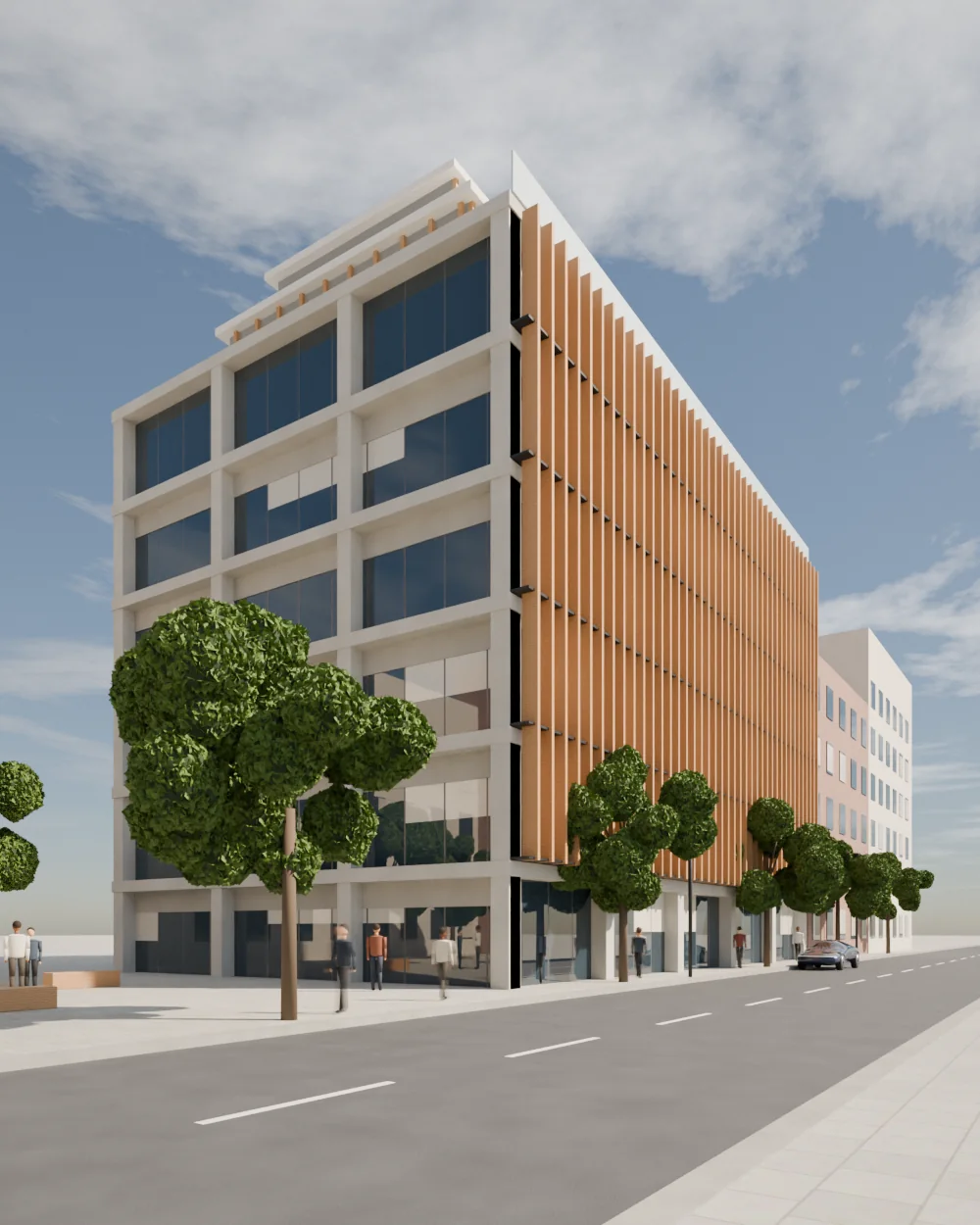
Illustrations of planned integrations
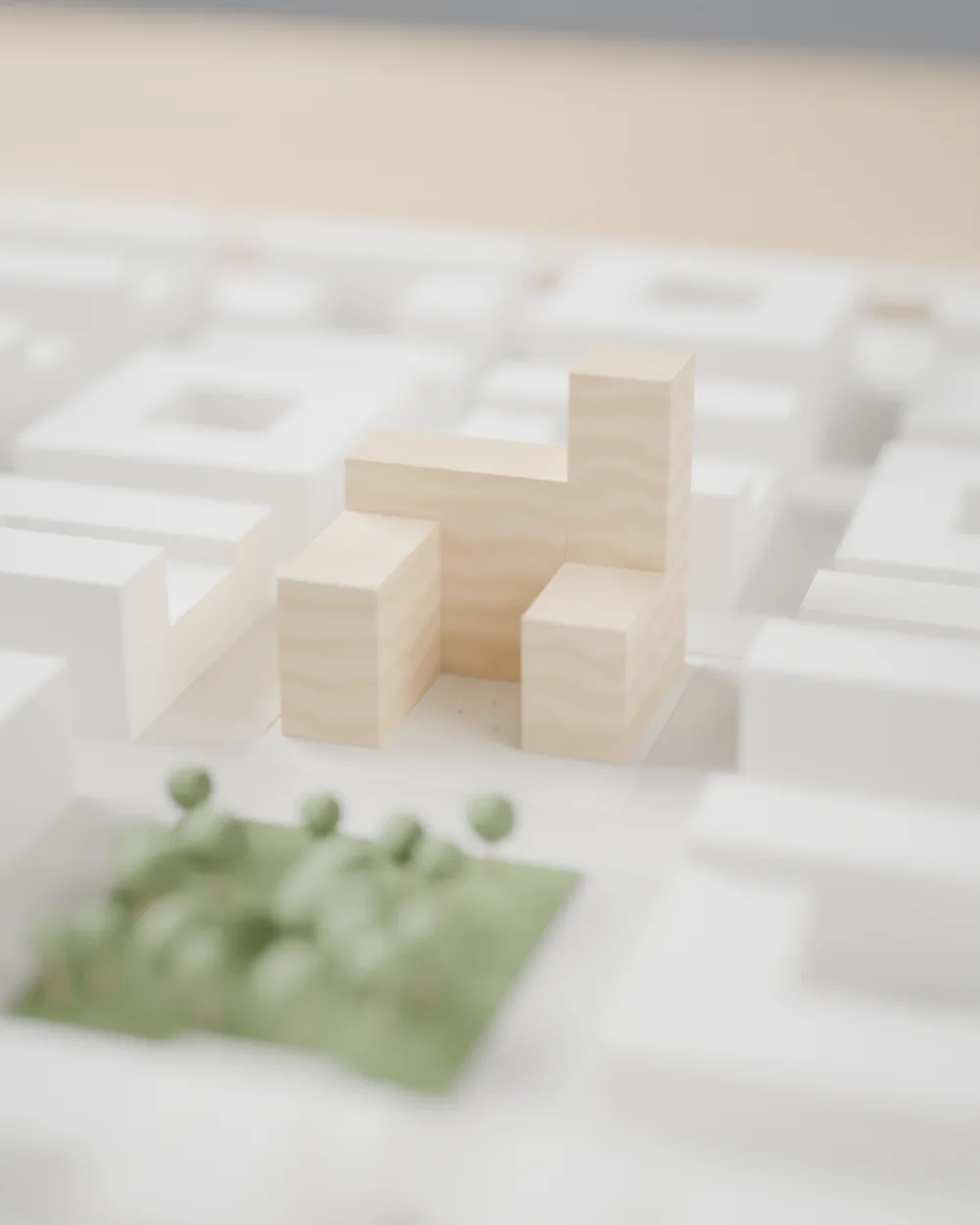
Architecture · LLMs and agents
Your team’s AI assistants ask the genome first, so their suggestions carry the house’s reasons.
Architecture · Renders and drawings
Renders, drawings and models of new work are checked against how the studio has handled similar projects before.

Product and automotive · Surfacing
The genome reads a surface the way your senior designers do, and flags where it drifts from the house’s hand.
What changes
Targets we’ll measure with our first studios
House Genome · Now for small and medium studiosSmall and medium studios
Start from the projects, drawings, models and reviews your studio already has. From the first week, your whole team reviews new work with the studio’s own eye.

We show you the platform at work, and answer your questions.
We build your House Genome from your archive and check it with your leads.
Every new piece is read against the house, and every note gives its reason.
For small and medium studios
20 to 50 team members
$1,600per studio, per month
Includes 20 named users
Extras$500 per archive expansion pack. Top-ups and add-ons available.
For large studios and firms
50+ team members
Bespoke onboarding at any scale, with our engineers in your team.
Ownership
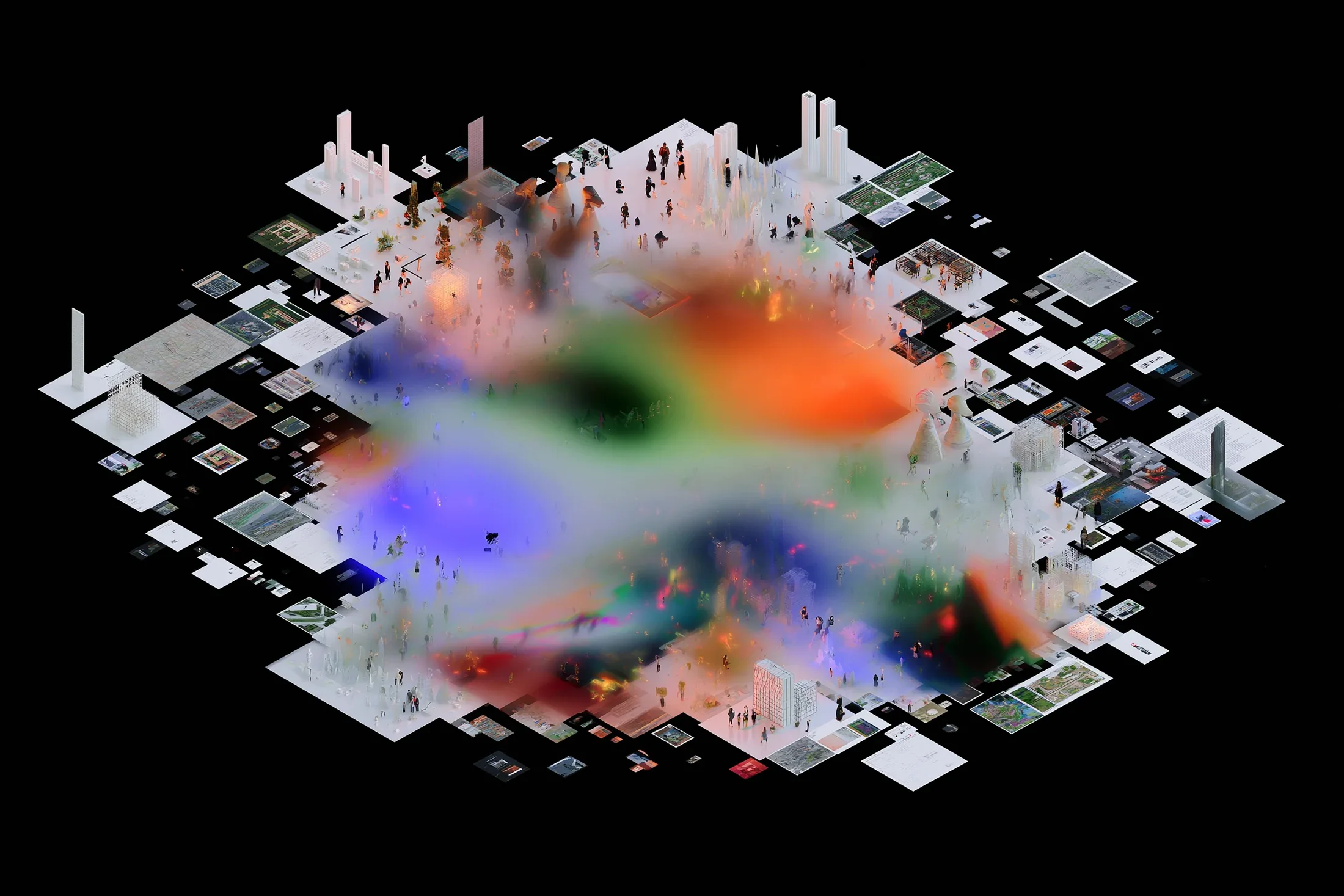
Your House Genome is built from your own projects, drawings and reviews, and it works for your studio alone. The judgement it holds stays where it came from.
Something else? Book a demo, or write to us at hello@dreamvisionai.com.
You bring the work your studio already has: projects, drawings, renders, models and review notes. We turn it into your House Genome, and it’s live in three business days. It doesn’t just search your files and quote them back. It’s an engine of your studio’s knowledge and judgement, so it reasons the way your studio does. Lia, our agent engine, puts it to work: it reviews new work, answers in plain English, writes reports and runs automations, each with the studio’s reasoning. Through our API, the same genome can also work inside the tools you already use.
Your first reviews come on the day your House Genome goes live, three business days after activation starts. Our targets are 15-25% less time on coordination and communication, and 200 hours saved on reviews over a project’s development. We’ll measure both with our first studios.
Small and medium studios, with 20 to 50 team members, subscribe for $1,600 a month per studio, with $0 activation. The price includes 20 named users, who share 5,000 Lia work units a month. Every task shows what it costs and how much is left. Archive expansion packs are $500 each, and top-ups and add-ons are there when you need more. Large studios and firms, with 50+ team members, get a bespoke onboarding, priced with them after a demo.
Every note is pinned to the work and written in your studio’s own terms, with its reasoning and the precedents behind it. Some are quick changes your team can make straight away. Others are questions to settle at the next review. Your team decides what to take forward.
Activation is done with us. We set up your House Genome with your leads and walk your team through the app. After that your studio runs it day to day, and you can reach us whenever you need help. Large studios and firms have our engineers working inside their team.
Today your House Genome learns from the work you export from your usual tools: drawings, renders, models, reference images and review notes. Direct connections to design tools open one at a time, agreed with each studio, and the genome is available through our API. The more of your work it takes in, the closer its judgement gets to your studio’s.
Everything runs on AWS in the EU. Your work is encrypted in transit with TLS 1.2 or higher, and at rest with AES-256. Each studio’s data is kept apart at the infrastructure level, so no studio can see another’s. Sign-in runs through a dedicated identity provider, so we never store your passwords. We’re GDPR compliant and act as your data processor, and we’ll tell you within 72 hours of any incident. Your House Genome works for your studio alone, and what it encodes is yours.
Coordination and review. Studios lose days to long calls agreeing the baseline with consultants, to digging out the client’s latest request, to reviews that wait for one senior person, and to decisions argued again on every project because the reasons were never written down. Your House Genome holds that judgement and brings it to every review.
Design studios of every size, in architecture, interiors, product, automotive and fashion. Small and medium studios, with 20 to 50 team members, start on the subscription and go live in three business days. Large studios and firms, with 50+ team members, get a bespoke onboarding at any scale, with our engineers working inside their team.
DREAMVISION AI Labs
First papers in preparation
Inside the LabsContact